Grunge Metallic Texture Pattern: Bold Design
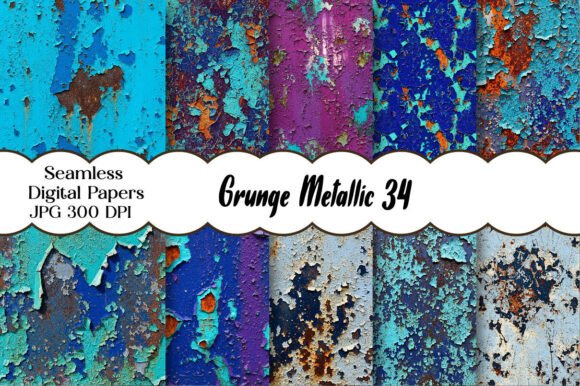
In the world of visual design, the tension between perfection and decay often creates the most compelling narratives. A grunge metallic texture pattern embodies this duality, offering a sophisticated blend of industrial ruggedness and high-end luster. These are not merely backgrounds; they are storytelling tools that convey history, resilience, and modern edge. By introducing distressed surfaces alongside the sheen of gold, silver, bronze, and steel, designers can instantly ground their projects in a tangible reality that flat colors simply cannot achieve.
The appeal of these patterns lies in their complexity. They capture the intricate play between worn textures and reflective finishes, creating a visual depth that draws the eye. Whether it is the subtle scratch marks on a brushed steel surface or the oxidized patina on an aged copper plate, every element serves a purpose. For creators seeking to break away from sterile, overly polished aesthetics, this collection offers a raw glamour that feels both contemporary and timeless.
The Intersection of Industry and Luxury
Understanding the utility of a grunge metallic texture pattern requires looking beyond the surface. These designs function as a bridge between two seemingly opposite worlds: the gritty, utilitarian nature of industrial materials and the opulent allure of precious metals. This juxtaposition allows for a "luxury-meets-rustic" vibe that has become increasingly popular in branding and interior decor.
When you integrate these textures into your work, you are leveraging specific psychological cues. The metallic elements suggest value, quality, and innovation, while the grunge components imply authenticity, durability, and human touch. This balance is crucial for brands that want to appear premium without seeming inaccessible or artificial. For instance, a craft brewery might use a bronze-grunge background to signal artisanal quality, while a tech startup could utilize a scratched silver pattern to highlight durability and engineering precision.
The versatility of these seamless designs means they can be tiled infinitely without visible breaks, making them ideal for large-scale applications. From wrapping entire walls in digital murals to covering extensive fabric runs for fashion lines, the consistency of the pattern ensures a professional finish regardless of the scale.
Practical Applications Across Industries
The true power of these assets is revealed when applied to real-world projects. Because the textures are high-contrast and rich in detail, they perform exceptionally well across both digital and physical mediums. Here is how different professionals can adapt these patterns for specific goals:
- Fashion and Apparel: Streetwear brands thrive on edgy aesthetics. Applying a darkened steel grunge pattern to hoodie prints or sneaker overlays adds instant credibility and urban flair. For luxury accessories, a gold-leaf texture with subtle wear can elevate a scarf or tote bag design.
- Packaging Design: In a crowded retail environment, shelf presence is everything. Using a textured bronze background for limited-edition product boxes creates a tactile expectation, even before the customer touches the item. It signals that the contents are special and robust.
- Digital Media: Web designers and social media managers can use these patterns to create distinct visual themes. A website header featuring a muted iron texture can provide a strong foundation for white typography, ensuring readability while maintaining character.
- Interior Decor: The trend of industrial chic continues to dominate home design. These patterns are perfect for sublimation printing on throw pillows, canvas wall art, or even custom wallpaper, allowing homeowners to introduce metallic accents without the cost of actual metal installation.
Strategies for Effective Implementation
While the visual impact of a grunge metallic texture pattern is immediate, using it effectively requires a strategic approach. Overuse can lead to visual clutter, drowning out the primary message or product. The key is to treat the texture as a supporting actor rather than the star of the show.
Contrast is your best friend. When working with busy, detailed backgrounds, ensure your foreground elements—such as text, logos, or product images—are clean and simple. Sans-serif fonts with bold weights often pair beautifully with these textures, cutting through the noise of the background. If you are designing a logo, consider placing it on a solid color block that sits atop the texture, creating a layered effect that enhances legibility.
Color grading also plays a pivotal role. Although the base patterns come in specific metal tones like gold or steel, adjusting the hue and saturation can tailor the mood to your specific brand identity. Cooling down a bronze texture can make it feel more modern and tech-oriented, while warming up a silver pattern can give it an antique, heritage feel. Do not be afraid to experiment with blending modes in your design software to see how the texture interacts with your existing color palette.
Tailoring Content for Your Audience
Different audiences respond to different variations of the grunge aesthetic. Entrepreneurs targeting a younger demographic might lean into high-contrast, heavily distressed looks that evoke rebellion and energy. Conversely, educators or publishers aiming for a historical or academic tone might prefer subtler textures where the metallic sheen is more prominent than the scratches.
For marketers, consistency is vital. If you choose a specific metallic theme for a campaign, carry it through all touchpoints. Use the same texture family for your email headers, social media posts, and printed flyers. This repetition builds brand recognition and creates a cohesive narrative. However, vary the application; use the full pattern for backgrounds and cropped, zoomed-in sections for icons or dividers to keep the visual experience dynamic.
Freelancers and small business owners can also benefit from the cost-effectiveness of these digital assets. Instead of sourcing physical materials for photoshoots or paying for custom illustrations, high-quality seamless patterns provide an instant upgrade to production value. They allow solo creators to punch above their weight class, delivering visuals that look like they came from a large agency.
Expanding Creative Horizons
The possibilities extend far beyond standard graphic design. Consider the realm of merchandise creation. A notebook cover featuring a rusted iron texture appeals to writers and journalers who appreciate a rugged, durable aesthetic. Phone cases with a brushed aluminum look offer protection and style, mimicking the feel of high-end devices. Even in the realm of crafting, these patterns can be printed on adhesive vinyl to create custom stickers or labels that add a professional touch to handmade goods.
Furthermore, these textures serve as excellent starting points for mixed media art. Digital artists can layer hand-drawn elements over the metallic backgrounds to create composite images that feel both organic and manufactured. The interplay between the digital precision of the vector elements and the analog feel of the grunge texture results in a unique visual language that stands out in portfolios and galleries.
Ultimately, the goal is to let the material speak. A grunge metallic texture pattern brings a sense of weight and permanence to your designs. It reminds the viewer that things are built to last, that there is beauty in imperfection, and that style does not have to sacrifice substance. By thoughtfully integrating these elements into your workflow, you unlock a new dimension of creativity that resonates deeply with modern audiences.
Whether you are refreshing a brand identity, launching a new clothing line, or simply looking for inspiration for your next personal project, these textures offer a robust foundation. They invite you to experiment, to layer, and to push the boundaries of what a background can be. With imagination as your only limit, the fusion of grunge and metal provides endless opportunities to create something truly distinct.