Unlocking Creative Potential with Cute Small Wildflowers Digital Papers and Seamless Patterns
The landscape of digital design and crafting has evolved significantly, offering creators a vast array of resources to bring their visions to life. Among the most versatile and charming assets available today are high-resolution digital papers featuring botanical themes. Specifically, collections centered around Cute Small Wildflowers Digital Papers have gained immense popularity for their ability to add a touch of nature's whimsy to both personal and professional projects. These assets, often generated through advanced artificial intelligence, provide a unique blend of organic beauty and technical precision, making them indispensable for a wide range of applications from gift wrapping to complex junk journal layouts.
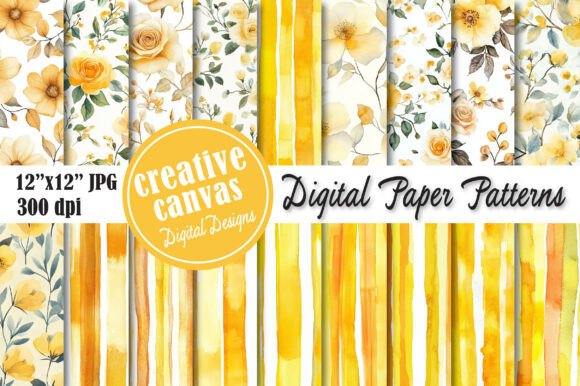
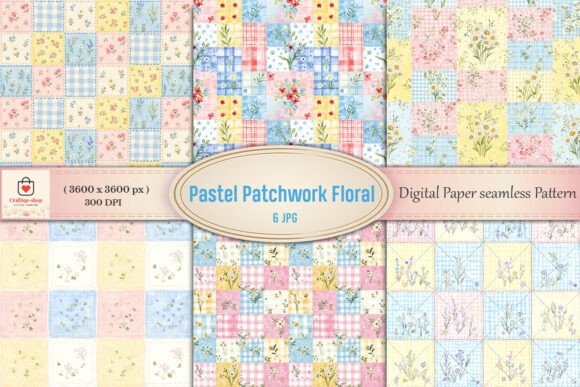
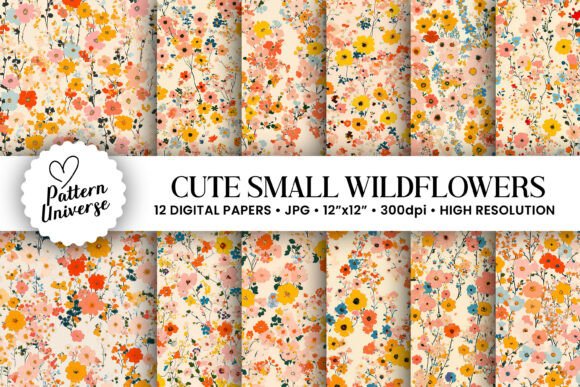
When exploring the utility of these digital assets, it is essential to understand the technical foundation that makes them so effective. A premium collection typically includes a set of twelve distinct seamless patterns, all contained within a single convenient zip file. The true value lies in the specifications: each file boasts a high resolution of 300 dots per inch (dpi) with dimensions of 3600 x 3600 pixels, equating to a standard 12-inch by 12-inch print size. This level of detail ensures that whether the image is scaled down for a sticker or printed at full size for wall art, the clarity remains crisp, and the colors stay vibrant without pixelation.
The Versatility of AI-Generated Botanical Patterns
The integration of artificial intelligence in creating these Cute Small Wildflowers Seamless Patterns has revolutionized how designers approach texture and background creation. Unlike traditional photography, which can be limited by lighting conditions and seasonal availability, AI-generated art offers consistent styling and endless variation. The resulting patterns often feature delicate blooms, soft greens, and earthy tones that mimic the randomness of a meadow while maintaining a cohesive aesthetic suitable for design work.
One of the primary advantages of using seamless patterns is their infinite scalability. Because the edges of the image align perfectly when tiled, creators can cover surfaces of any size without visible breaks or awkward seams. This characteristic is particularly valuable for large-scale projects such as wall art or custom fabric printing. For instance, a hobbyist looking to upholster a small stool or create a custom curtain can tile these wildflower patterns across the entire surface, creating an immersive floral environment that feels hand-painted yet perfectly uniform.
Applications in Paper Crafts and Scrapbooking
For the scrapbooking community, the 12x12 inch format is the industry standard, making these digital papers an immediate fit for existing workflows. Scrapbookers often struggle to find paper packs that perfectly match a specific theme or color palette. With a dedicated set of Cute Small Wildflowers Digital Papers, users gain immediate access to a coordinated suite of backgrounds. These can be used as the foundational layer for layout pages, providing a subtle texture that allows photos and embellishments to stand out without competing for attention.
Beyond standard scrapbooking, the "junk journal" trend has exploded in recent years. This style of journaling emphasizes eclectic mixes of ephemera, textures, and handwritten notes. The organic, slightly imperfect look of small wildflowers fits this aesthetic perfectly. Creators can print these patterns on various types of paper—from heavy cardstock to translucent vellum—to create pockets, tags, and folding elements. The high 300dpi resolution ensures that even when printed on textured watercolor paper, the fine details of the flower petals and stems remain sharp and defined.
Elevating Commercial Products and Gift Giving
The commercial potential of these digital assets is vast for small business owners and Etsy sellers. In the realm of gift wrapping, generic store-bought paper often lacks uniqueness. By utilizing these seamless patterns, entrepreneurs can offer bespoke wrapping services or sell DIY wrapping kits. The ability to print on demand means there is no need for large inventory storage; a seller can print exactly the amount of paper needed for a specific order, reducing waste and cost.
Furthermore, the application extends to greeting cards and invitations. Whether designing for a spring wedding, a baby shower, or a simple thank-you note, the gentle imagery of small wildflowers conveys warmth and sincerity. Designers can overlay typography directly onto these backgrounds or use them as liner papers inside envelopes. The 3600 x 3600 pixel resolution provides ample space for high-quality offset printing or professional home printing, ensuring that the final product looks polished and expensive.
An emerging and highly popular niche is the customization of drinkware, specifically tumbler wraps. The cylindrical shape of tumblers requires a design that flows continuously, which is exactly what a seamless pattern provides. Crafters can wrap these digital designs around sublimation blanks, creating durable, dishwasher-safe cups featuring adorable floral motifs. The small scale of the flowers ensures that the pattern does not become distorted when wrapped around the curve of the cup, maintaining its visual integrity from every angle.
Technical Considerations for Optimal Results
To fully leverage the quality of these Cute Small Wildflowers Digital Papers, users must pay attention to their printing and software settings. While the files are provided at 300dpi, importing them into design software like Adobe Photoshop, Illustrator, or Canva requires care. Users should ensure that their document settings match the intended output size. If a project requires a larger format than 12x12 inches, the seamless nature of the pattern allows for tiling, but the user must verify that the tiling method in their software does not introduce interpolation artifacts that could soften the image.
Color management is another critical factor. Screens display colors in RGB (Red, Green, Blue), while printers use CMYK (Cyan, Magenta, Yellow, Key/Black). Although modern AI generation strives for color accuracy, slight shifts can occur during the printing process. Professionals recommend printing a test sheet on the specific paper stock intended for the final project. This step allows the creator to adjust brightness and contrast if necessary, ensuring the soft pastels of the wildflowers do not print too dark or lose their saturation.
Workflow Integration for Educators and Researchers
The utility of these digital papers extends beyond the crafting table into educational and research environments. Educators creating visual aids, worksheets, or classroom decorations can use these patterns to create engaging, nature-themed learning materials. The calming effect of botanical imagery can help create a soothing classroom atmosphere. Similarly, researchers or academics preparing presentations or posters can use these subtle backgrounds to break up text-heavy slides, adding a professional yet approachable aesthetic to their data visualization.
For digital planners and tablet users, these files are equally relevant. When imported into apps like GoodNotes or Notability, the high-resolution PNG or JPG files serve as beautiful digital stationery. Users can create infinite pages of lined or dotted paper overlaid on the wildflower background, transforming a standard tablet into a personalized, nature-inspired notebook. The seamless capability ensures that as the user scrolls through their digital journal, the background remains consistent and unbroken.
Maximizing Value Through Diverse Project Types
The inclusion of twelve unique variations in a single zip file offers significant value by providing variety without sacrificing cohesion. This allows creators to mix and match patterns within a single project. For example, a wedding invitation suite could utilize one pattern for the main invite, a second for the RSVP card, and a third for the envelope liner, creating a coordinated look that feels dynamic rather than repetitive. This level of coordination is often difficult to achieve when sourcing individual images from different artists or stock libraries.
Moreover, the "cute" aspect of these small wildflowers appeals to a broad demographic, including those designing for children's products. From nursery wall art to baby announcement cards, the non-threatening, cheerful nature of the illustrations makes them universally appealing. The AI generation process often captures a stylized realism that bridges the gap between cartoonish clip art and stiff botanical illustrations, hitting a sweet spot that resonates with modern design trends.
In conclusion, the availability of high-quality, AI-generated Cute Small Wildflowers Digital Papers represents a significant resource for anyone involved in visual creation. Whether the goal is to produce a handmade gift, launch a product line, or simply organize personal thoughts in a beautiful journal, these assets provide the necessary foundation. The combination of technical excellence—evidenced by the 300dpi resolution and 12x12 inch dimensions—and artistic charm ensures that these patterns will remain a staple in the digital crafting toolkit. By understanding the breadth of applications and adhering to best practices for printing and implementation, creators can unlock the full potential of these delightful botanical designs, turning simple digital files into tangible works of art.