Evaluating the Soft Neutral Wildflower Botanical Pattern for Modern Design Projects
In the evolving landscape of digital design and print-on-demand services, finding assets that balance aesthetic appeal with technical versatility is a constant challenge for creators. The Soft Neutral Wildflower Botanical Pattern represents a specific category of digital resources designed to meet the demands of both personal crafting and commercial production. As we look toward event planning and product customization trends for 2026, the shift toward understated, nature-inspired motifs continues to gain traction. This analysis examines the practical utility, technical specifications, and real-world application of this seamless pattern set, helping professionals and hobbyists determine its fit for their specific workflows.
Defining the Aesthetic and Technical Foundation
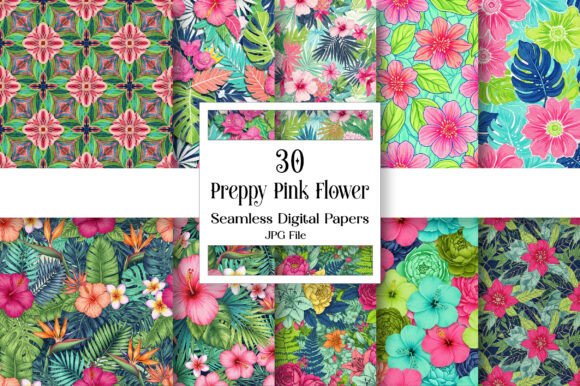
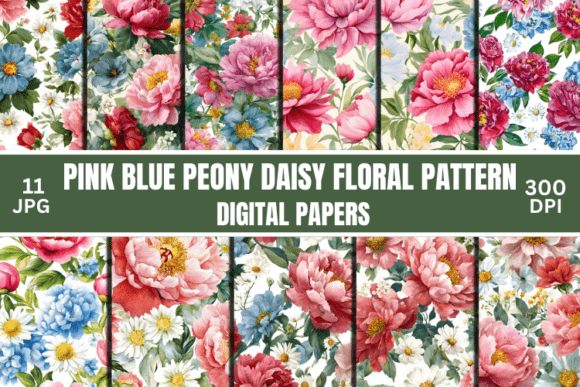
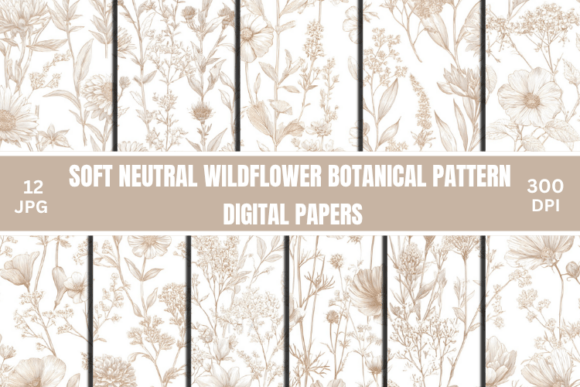
At its core, this collection features a Soft Neutral Wildflower Botanical Pattern Background Seamless Pattern engineered for repeatability without visible seams. The design language relies on a muted color palette, utilizing pastels and earth tones rather than high-contrast or saturated hues. This "soft neutral" approach is intentional; it ensures the pattern serves as a supportive background rather than a dominating foreground element. For designers creating tumbler wraps, wedding invitations, or planner covers, this subtlety is crucial. It allows text, logos, or other graphic elements to remain legible when layered on top.
Technically, the asset is delivered as a digital product within a single zip file containing 12 distinct digital papers. Each file is rendered at 3600 x 3600 pixels, equating to a physical print size of 12x12 inches at 300 DPI resolution. This resolution standard is non-negotiable for professional output. Whether the end goal is a high-definition wallpaper for a tablet or a sublimation print on a ceramic mug, 300 DPI ensures that the fine details of the watercolor-style botanicals do not appear pixelated or blurry. The JPG format offers broad compatibility across industry-standard software like Adobe Photoshop, Illustrator, Canva, and various cutting machine programs.
Practical Applications Across Industries
The versatility of the Soft Neutral Wildflower Botanical Pattern extends far beyond simple paper crafting. Its primary strength lies in its adaptability to various substrates and surfaces. For entrepreneurs running small businesses in the custom gift sector, this pattern serves as a foundational asset for multiple product lines.
- Tumbler and Drinkware Customization: The seamless nature of the pattern makes it ideal for wrapping around cylindrical objects. With specific attention to dimensions, these files can be adjusted to fit custom mug sizes, including 11 oz, 15 oz, and 20 oz tumblers. The neutral tones complement stainless steel finishes and colored blanks alike.
- Event Stationery and Invitations: For wedding planners and independent stationers, the botanical theme aligns perfectly with spring and summer events. The pattern works effectively as a full-bleed background for invitations, save-the-dates, and menu cards, providing a cohesive look without overwhelming the typography.
- Fabric and Textile Design: When used for iron-on transfers or direct-to-garment printing, the soft colors translate well onto fabric textures. This opens opportunities for creating matching tote bags, aprons for teachers, or commemorative shirts for family reunions.
- Scrapbooking and Planning: The 12x12 inch dimension is the industry standard for scrapbook pages and many planner inserts. Hobbyists can utilize these digital papers to create themed layouts for birthdays, anniversaries, or daily journaling without needing to purchase physical paper packs.
Performance in Sublimation and Print Production
For users focused on sublimation printing, the quality of the source file dictates the quality of the final product. The high-detail rendering in this set captures the delicate gradients typical of watercolor art. In practice, this means that when printed onto sublimation blanks—such as mugs, coasters, or keychains—the transition between colors remains smooth. There is no banding or loss of detail in the petals and leaves, which is often a pitfall in lower-resolution botanical patterns.
However, it is important to manage expectations regarding color fidelity. As with any digital product, actual colors may vary slightly due to monitor settings and print quality. A designer viewing the file on a calibrated OLED screen will see different nuances compared to a client viewing it on a standard laptop display. Furthermore, the substrate matters; sublimating onto a white tumbler yields a different result than printing on kraft paper or dark fabric. Professionals should always run test prints to adjust color profiles (CMYK vs. RGB) according to their specific printer and material combination.
Strategic Value for Seasonal and Evergreen Markets
While floral patterns are often associated with spring, the neutral palette of this specific set grants it evergreen status. It avoids the hyper-seasonal traps of bright neon greens or deep autumnal oranges. This makes the Soft Neutral Wildflower Botanical Pattern a reliable asset for year-round inventory.
Consider the market for teacher appreciation gifts or Mother's Day bundles. These occasions demand designs that feel personal and thoughtful but not overly childish or trendy. The sophisticated, muted tones of this pattern appeal to a broad demographic, from young adults buying gifts for mentors to grandparents creating memory books. Additionally, as we approach 2026, the trend toward "quiet luxury" and minimalist aesthetics suggests that understated botanicals will remain relevant for birthday party bundles and graduation memorabilia.
Workflow Integration and Efficiency
From a workflow perspective, receiving 12 variations in a single zip file streamlines the asset management process. Instead of sourcing individual images from disparate libraries, a creator has a coordinated suite of backgrounds. This consistency is vital for branding. If a small business owner is launching a "Summer Graduation" collection, they can use one pattern for the tumbler wrap, a coordinating pattern for the thank-you card, and another for the packaging tissue paper. This creates a unified brand experience for the customer.
The seamless repeat capability also saves significant time in post-processing. Designers do not need to spend hours cloning or healing edges to make the image tile correctly. This allows for faster turnaround times on client orders, a critical factor for freelancers managing tight deadlines during peak seasons like wedding months or holidays.
Limitations and Considerations
Despite its strengths, this pattern set is not a universal solution for every design problem. Users seeking high-contrast, bold graphics for outdoor signage or large-format banners may find the soft neutrals too subtle to grab attention from a distance. The design is optimized for close-up interaction—items held in the hand or viewed on a desk.
Additionally, because these are digital products, there is a learning curve for those unfamiliar with file manipulation. Users must understand how to resize images without distorting the aspect ratio and how to prepare files for specific printing methods (e.g., mirroring images for sublimation). The value of the product is fully realized only when the user possesses the technical skills to implement it correctly.
Final Assessment for Creators and Businesses
The Soft Neutral Wildflower Botanical Pattern stands out as a robust resource for anyone involved in the creation of personalized goods, event materials, or digital content. Its high resolution, seamless construction, and versatile color palette address the common pain points of print quality and design flexibility.
For educators, bloggers, and small business owners, this bundle offers a cost-effective way to elevate the visual quality of their outputs. Whether applied to a vinyl decal for a laptop, a backdrop for a product photo shoot, or a custom wrap for a 20 oz tumbler, the pattern delivers professional results. While it requires an understanding of color management and print preparation, the return on investment in terms of time saved and aesthetic enhancement is substantial. As the market moves toward more refined and naturalistic design trends in 2026, having a reliable library of such assets becomes a strategic advantage for maintaining relevance and quality in a competitive creative landscape.